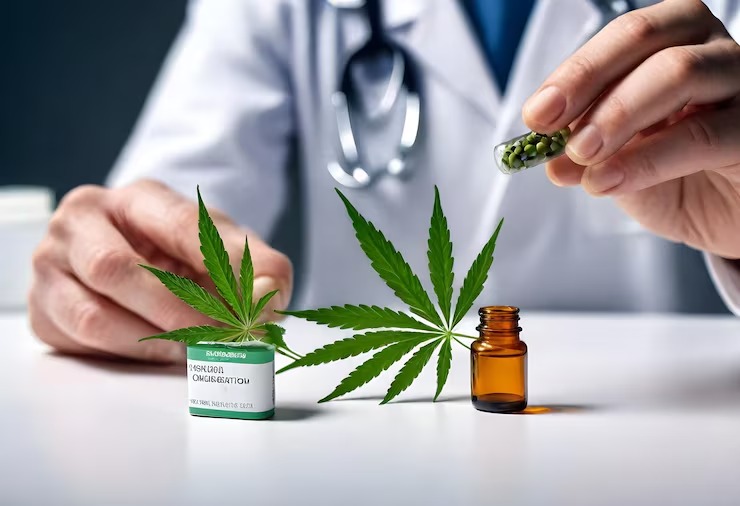
CBD has become one of the most talked-about wellness ingredients in recent years. It appears in oils, gummies, capsules, creams, and many other products, often marketed with bold claims and calming language. But popularity does not automatically mean a product is right for everyone.
For adults who are curious about CBD, the smarter approach is to slow down and understand the basics first. CBD safety matters because products can vary widely in quality, ingredients, labeling, and legal status. Some people may also experience side effects or interactions with medications.
This guide does not make medical promises or tell anyone to use CBD. Instead, it explains what responsible adults should know before making an informed choice.
What Is CBD?
CBD, short for cannabidiol, is a compound found in the cannabis plant. Unlike THC, CBD is not mainly known for producing an intoxicating high. However, that does not mean every CBD product is risk-free or suitable for every person.
CBD products can come in different forms, including oils, tinctures, capsules, gummies, skincare products, and topical creams. Some products may contain only CBD, while others may include additional cannabinoids, botanical extracts, flavors, or other added ingredients.
Because product types and formulas vary, adults should not assume all CBD products are the same. Two products with similar names may have very different ingredient lists, testing standards, or cannabinoid profiles.
Why CBD Safety Matters
CBD safety deserves attention because the CBD market can be confusing. Some products use wellness language that sounds reassuring, while others make claims that may not be supported by strong evidence or approved medical guidance.
A responsible adult should ask simple but important questions before trusting any CBD product or CBD-related claim.
What exactly is in the product?
Is the product label clear?
Does the brand provide third-party lab testing?
Are there any warnings or usage restrictions?
Could the product interact with medications or health conditions?
These questions help readers move beyond marketing and focus on facts. CBD should never be treated as a casual trend when health, alertness, medications, or daily responsibilities are involved.
CBD Safety and Realistic Expectations
One of the biggest problems in the CBD space is overpromising. Some content online talks about CBD as if it can solve almost anything. That kind of messaging can be misleading.
Responsible CBD content should avoid cure-style language. It should not promise guaranteed results, quick fixes, or medical outcomes. CBD-related information should be educational, balanced, and careful.
A trustworthy approach explains both interest and uncertainty. It helps adults understand what is known, what is still being studied, and why personal health decisions should involve professional guidance when needed.
Possible CBD Side Effects
CBD may affect people differently. Some adults may not notice any major issue, while others may experience unwanted effects.
Possible CBD side effects can include tiredness, digestive discomfort, changes in appetite, dry mouth, drowsiness, or changes in alertness. These effects can matter more for people who drive, operate equipment, work long hours, or need full focus during the day.
CBD may also interact with some medications. This is one of the most important safety points for adults to understand. Anyone taking prescription medicine, over-the-counter medicine, or supplements should speak with a qualified healthcare professional before considering CBD.
Side effects are not always predictable. A person’s age, health condition, medications, product type, and overall sensitivity may all play a role.
Who Should Be Extra Careful With CBD?
CBD may not be suitable for everyone. Some people should be especially cautious and should seek professional advice before making any decision.
Adults should be extra careful if they:
Take prescription medications
Use over-the-counter medicines regularly
Have liver-related concerns
Have a serious health condition
Are pregnant or breastfeeding
Need full alertness for work or driving
Have had a past sensitivity to cannabis-related products
Are subject to workplace drug testing
CBD should not be used as a replacement for medical care, diagnosis, or prescribed treatment. If someone has ongoing symptoms or a health concern, the safest step is to speak with a healthcare provider.
Understanding CBD Product Labels
CBD product labels can help adults make more informed decisions, but only if the information is clear and complete. A vague label is a warning sign.
A responsible CBD product label should make basic details easy to understand. It should not confuse readers with unclear claims, missing information, or overly technical wording without explanation.
Important Details on CBD Product Labels
When reviewing CBD product labels, adults may look for details such as:
Product type
CBD amount
Ingredient list
Batch number
Manufacturer or brand information
Suggested storage details
Warnings or restrictions
Third-party lab testing reference
THC-related information
If important details are missing, it becomes harder to evaluate the product responsibly. Transparency is one of the strongest trust signals in the CBD space.
Why Third-Party Lab Testing Matters
Third-party lab testing is important because it gives adults more information about what may be in a CBD product. These test results are often shared through a Certificate of Analysis, also known as a COA.
A useful lab report may show cannabinoid levels and whether the product was tested for certain contaminants. This may include heavy metals, pesticides, residual solvents, or microbial contaminants.
The lab report should match the product batch number. If a brand claims that products are tested but does not make reports easy to find or understand, that can reduce trust.
Lab testing does not make every product automatically right for every person. It simply helps adults review product quality with more transparency.
CBD Product Labels and THC Content
Some CBD products may contain THC, depending on the formula and the market where the product is sold. Adults should not assume a product is THC-free unless the label and lab report clearly support that claim.
This matters for several reasons. Some people want to avoid THC completely. Others may be sensitive to THC. Some adults may also have workplace rules or testing requirements to consider.
The safest approach is to read both the product label and the lab report instead of relying only on front-label marketing claims.
Full-Spectrum, Broad-Spectrum, and Isolate CBD
CBD products often use terms that can be confusing for beginners. Here is a simple explanation.
Full-Spectrum CBD
Full-spectrum CBD products may contain CBD along with other cannabis plant compounds. Depending on regulations and the product formula, they may also contain small amounts of THC.
Broad-Spectrum CBD
Broad-spectrum CBD products are commonly marketed as containing CBD and other plant compounds without THC. However, adults should still review lab results instead of relying only on the front label.
CBD Isolate
CBD isolate generally refers to purified CBD without other cannabinoids. It may have a simpler cannabinoid profile, but product quality and testing still matter.
These terms can help adults understand product categories, but they should not replace careful label review.
How to Evaluate CBD Information Online
Not all CBD content is written with the reader’s safety in mind. Some articles are educational, while others are mainly written to promote products.
A responsible reader should ask:
Does the content mention possible risks?
Does it avoid medical promises?
Does it explain product labels clearly?
Does it discuss lab testing?
Does it encourage professional guidance when needed?
Does it avoid pressure-based language?
If a page only talks about benefits and never mentions risks, side effects, or uncertainty, it may not be balanced enough to trust.
Common CBD Marketing Red Flags
Adults should be cautious when CBD content or product pages use exaggerated claims. Strong promises can sound attractive, but they may not be reliable.
Common red flags include:
Claims that sound like guaranteed results
Statements that suggest CBD cures serious conditions
No mention of side effects or interactions
No clear product label details
No accessible lab testing information
Pressure to make a quick purchase
Overuse of vague wellness phrases
Responsible CBD education should help people think clearly, not rush them into decisions.
What Responsible CBD Brands Should Provide
A responsible CBD brand should focus on clarity, transparency, and realistic communication. It should make product information easy to understand and should avoid exaggerated health claims.
Trustworthy CBD brands often provide:
Clear ingredient lists
Easy-to-find lab reports
Batch-specific testing details
Plain-language product descriptions
Responsible warnings
Contact information
Educational content
No unrealistic medical promises
A brand’s tone matters too. If the content feels aggressive, overly promotional, or too good to be true, readers should pause and review more carefully.
CBD Safety and Daily Responsibilities
CBD-related decisions should also consider daily responsibilities. Adults who drive, work with equipment, care for others, or need sharp focus should be cautious about anything that may affect alertness.
Even if CBD is not mainly known for intoxication, some people may still experience drowsiness or changes in focus. Product formulas can also vary, especially when THC or other cannabinoids are involved.
Safety is not only about ingredients. It is also about timing, responsibilities, health status, and personal sensitivity. That is why professional guidance and careful review matter.
CBD Should Not Replace Medical Care
CBD should not replace medical care, prescribed treatment, therapy, diagnosis, or professional advice. Adults dealing with pain, anxiety, sleep problems, stress, inflammation, or any ongoing health concern should speak with a qualified healthcare professional.
Online content can help people understand general concepts, but it cannot evaluate someone’s personal health history. A blog post cannot know a reader’s medications, conditions, risks, or medical needs.
Responsible CBD education should make this clear. It should support informed thinking, not encourage self-diagnosis or delayed care.
Practical Questions Adults Should Ask
Before trusting any CBD-related claim or product information, adults can ask:
Why am I interested in this product?
Have I spoken with a healthcare professional if needed?
Could this interact with anything I take?
Is the label clear?
Is there a recent third-party lab report?
Does the brand avoid unrealistic claims?
Do I understand the THC content?
Could this affect my work, driving, or daily duties?
Is the information educational or mainly promotional?
These questions help adults make calmer and more responsible decisions.
Conclusion
CBD safety starts with awareness. Adults should understand what CBD is, how products differ, why labels matter, and what possible risks should be considered. Clear product information, third-party lab testing, careful reading, and professional guidance all play an important role.
The smartest approach is not to follow trends blindly. It is to ask better questions, avoid exaggerated claims, and treat CBD-related decisions with the same care as any other health-related choice.
FAQ
What is CBD safety?
CBD safety means understanding product labels, possible side effects, lab testing, THC content, medication interactions, and personal health factors before making CBD-related decisions.
Can CBD cause side effects?
Yes. Some people may experience tiredness, digestive discomfort, dry mouth, appetite changes, drowsiness, or changes in alertness.
Why are CBD product labels important?
CBD product labels help adults understand ingredients, CBD amount, warnings, batch details, THC-related information, and whether lab testing is available.
What is a CBD lab report?
A CBD lab report, often called a Certificate of Analysis, shows testing details such as cannabinoid levels and possible contaminants. It should match the product batch number.
Should adults speak with a healthcare professional before CBD?
Yes, especially if they take medication, have a health condition, are pregnant or breastfeeding, or need full alertness for work or driving.
Can CBD products make medical claims?
CBD products should not make unsupported claims about treating, curing, or preventing diseases. Adults should be cautious with any product or page that promises guaranteed medical results.
Want to Understand CBD With More Clarity?
Read more educational guides from Fiore Organics CBD to learn about CBD labels, product quality, safety considerations, and responsible wellness topics.